Monday, March 11, 2024

The Vital Role of Biomedical Waste Services in Healthcare Facilities

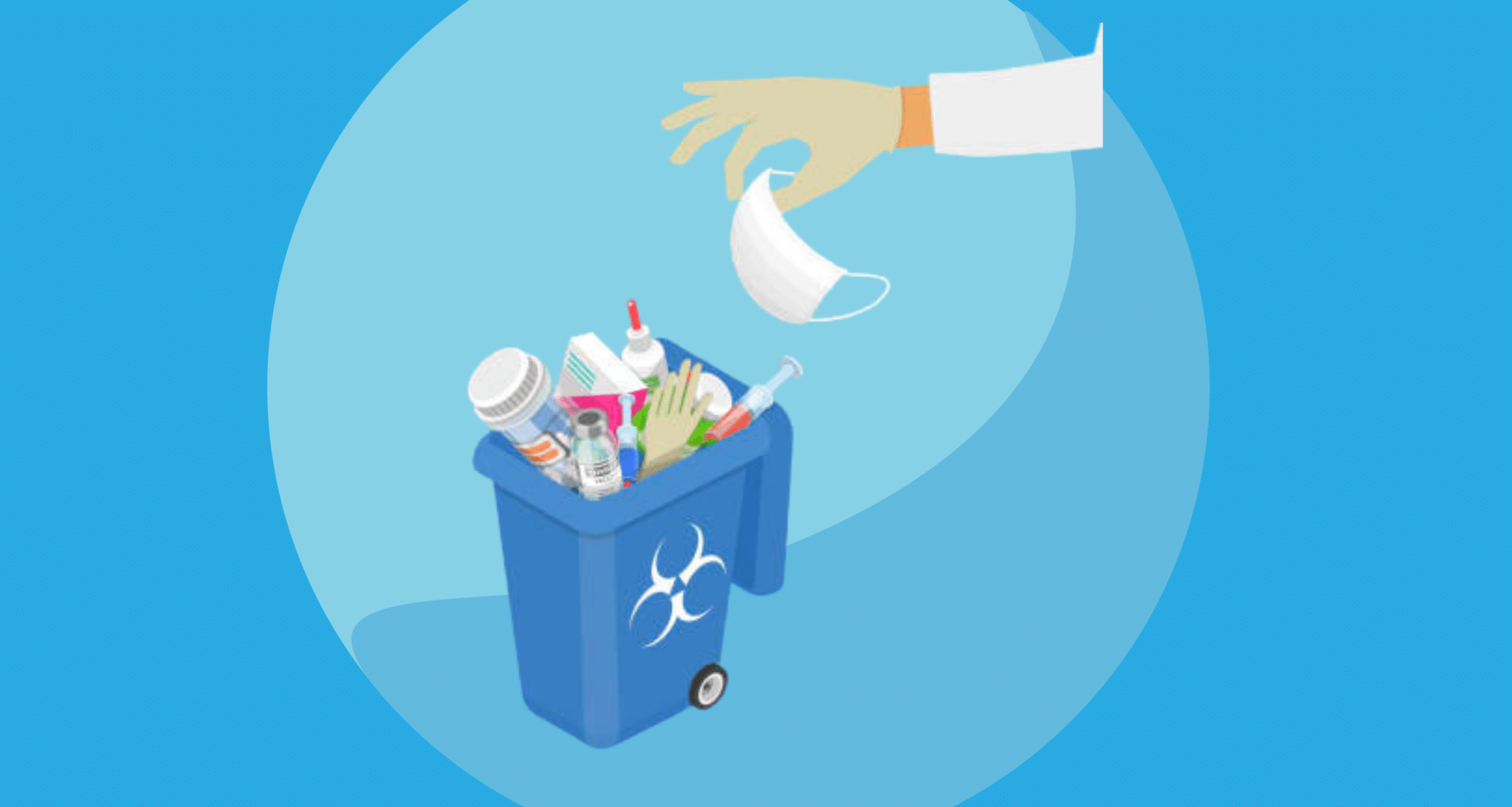
In the intricate landscape of healthcare, the management of biomedical waste services stands as a pivotal function, ensuring the safety of patients, healthcare workers, and the environment. This article delves into the indispensable role that biomedical waste services play in healthcare operations, emphasizing the significance of "biomedical waste services" throughout.

Safeguarding Public Health: Biomedical waste, encompassing materials contaminated with blood, bodily fluids, or infectious agents, poses a substantial risk of disease transmission if mishandled. Biomedical waste services are instrumental in mitigating this risk by implementing rigorous containment, handling, and disposal protocols. By safeguarding against potential infections, these services protect public health and prevent the spread of diseases within healthcare facilities and the broader community.

Ensuring Occupational Safety: Healthcare workers are at the forefront of managing biomedical waste and are thus susceptible to exposure to hazardous materials. Needlestick injuries, cuts, and exposure to infectious agents are among the occupational hazards associated with improper waste handling. Biomedical waste services prioritize the safety of healthcare workers by providing comprehensive training, personal protective equipment (PPE), and safe handling procedures. By minimizing the risk of workplace injuries and illnesses, effective waste management contributes to a safer and healthier working environment for healthcare personnel.

Regulatory Compliance: Compliance with regulatory requirements is paramount in biomedical waste management. Federal, state, and local regulations govern the handling, transportation, and disposal of biomedical waste to ensure public health and environmental protection. Healthcare facilities must adhere to these regulations to avoid legal repercussions and maintain the trust of patients and the community. Biomedical waste services assist healthcare facilities in navigating the complexities of regulatory compliance by providing expertise, guidance, and support.

Environmental Stewardship: Improper disposal of biomedical waste can have detrimental effects on the environment, including soil and water contamination, air pollution, and damage to ecosystems. Biomedical waste services employ environmentally sustainable practices to minimize these impacts. Recycling, waste-to-energy conversion, and advanced treatment technologies are among the strategies used to reduce the environmental footprint of biomedical waste disposal. By prioritizing environmental stewardship, healthcare facilities contribute to the preservation of natural resources and the mitigation of climate change.

Promoting Sustainability: Biomedical waste services are integral to the broader sustainability efforts of healthcare facilities. By implementing efficient waste management practices, facilities can reduce waste generation, conserve resources, and minimize their environmental footprint. Sustainable waste management strategies not only benefit the environment but also contribute to cost savings, regulatory compliance, and public trust. Biomedical waste services play a crucial role in supporting healthcare facilities' sustainability goals by providing expertise, resources, and innovative solutions.

Biomedical waste services play a vital role in ensuring the safety of patients, healthcare workers, and the environment within healthcare facilities. By prioritizing proper waste management practices, healthcare facilities can uphold their commitment to public health, occupational safety, regulatory compliance, environmental stewardship, and sustainability. The expertise and support provided by biomedical waste services are indispensable in maintaining the highest standards of healthcare operations.

Saturday, March 9, 2024

Hızlı ve Güvenilir Çeviri Hizmetlerinin Önemi ve Avantajları


Yeminli tercümanlar", hızlı ve güvenilir çeviri hizmetlerinin sağlanmasında kilit bir rol oynarlar. İş dünyasında ve kişisel ilişkilerde, doğru ve zamanında çeviri hizmetine olan ihtiyaç giderek artmaktadır. Birçok durumda, hızlı ve güvenilir çeviri hizmetleri, başarılı iletişim ve iş işbirliği için hayati öneme sahiptir.

Hızlı çeviri hizmetlerinin bir avantajı, acil durumlar veya sıkı teslim tarihleri için gereklidir. İş dünyasında, belirli bir projenin başarıyla tamamlanması için sık sık zaman baskısı vardır. Hızlı çeviri hizmetleri, bu tür durumlarda işlerin akışını korumak ve müşteri memnuniyetini sağlamak için önemlidir. Ayrıca, acil durum belgeleri veya resmi evraklar gibi özel durumlar için hızlı çeviri hizmetleri, gereksinimlerin hızla karşılanmasını sağlar.

Güvenilir çeviri hizmetleri de büyük önem taşır. Doğru ve güvenilir çeviri, iletişimde anlam kaybını önler ve yanlış anlamaların önüne geçer. Özellikle hukuki veya tıbbi belgeler gibi hassas konularda, doğru terimlerin kullanılması ve doğru anlamın aktarılması son derece önemlidir. Yeminli tercümanlar, uzmanlık alanlarına göre çeşitli dillerde güvenilir çeviri hizmetleri sunarak, müşterilerin ihtiyaçlarını karşılarlar.

Hızlı ve güvenilir çeviri hizmetlerinin başka bir avantajı, küresel iş dünyasında rekabet avantajı sağlamasıdır. Hızlı ve etkili bir şekilde çeviri hizmeti alabilen işletmeler, uluslararası pazarlarda daha rekabetçi olabilirler. Doğru ve hızlı çeviri, iş ilişkilerinin güçlenmesine ve küresel iletişimin kolaylaşmasına katkıda bulunur.

Hızlı ve güvenilir çeviri hizmetlerinin iş dünyasında ve kişisel ilişkilerde büyük önemi vardır. "Yeminli tercümanlar", doğru terminolojiyi kullanarak zamanında ve güvenilir çeviri hizmeti sunarak, müşterilerin ihtiyaçlarını karşılarlar. Hızlı ve güvenilir çeviri hizmetleri, iş işbirliğini güçlendirir, rekabet avantajı sağlar ve küresel iletişimi kolaylaştırır.


Friday, March 8, 2024

The Importance of Proper Sharps Disposal: Safety Measures and Legal Requirements


 Compliance with Medical Waste Disposal Regulations is paramount in the healthcare sector, particularly when it comes to the disposal of sharps. Sharps, which include needles, syringes, scalpels, and lancets, pose significant risks if not handled and disposed of properly. In this article, we will delve into the importance of proper sharps disposal, safety measures, and legal requirements.


Minimizing Occupational Hazards:

Sharps injuries are a common occupational hazard in healthcare settings, exposing healthcare workers to the risk of bloodborne pathogens such as HIV, hepatitis B, and hepatitis C. Proper disposal of sharps is essential to minimize the risk of needlestick injuries and prevent the transmission of infectious diseases among healthcare personnel.


Protecting Public Health:

Improper disposal of sharps can also pose risks to public health and safety. Discarded needles and other sharp objects found in public spaces can cause injuries to unsuspecting individuals, potentially leading to infections or other complications. Proper sharps disposal helps mitigate these risks and protects the community from harm.


Environmental Considerations:

Sharps waste can have detrimental effects on the environment if not disposed of correctly. Discarded needles and syringes can contaminate soil and water sources, posing risks to wildlife and ecosystems. Compliance with regulations for sharps disposal helps prevent environmental pollution and ensures responsible waste management practices.


Legal Requirements:

Healthcare facilities are subject to strict legal requirements regarding the disposal of sharps waste. Medical Waste Disposal Regulations mandate proper handling, packaging, and disposal of sharps to protect the safety of healthcare workers, patients, and the public. Failure to comply with these regulations can result in penalties, fines, or legal consequences for healthcare providers.


Safe Disposal Practices:

Healthcare facilities must implement safe disposal practices for sharps waste to ensure compliance with regulatory requirements. This includes using puncture-resistant containers specifically designed for sharps disposal and following established protocols for sealing and labeling containers. Sharps containers should be placed in easily accessible locations and regularly emptied to prevent overfilling.

Proper sharps disposal is not only a legal requirement but also a crucial aspect of healthcare safety and public health. By adhering to safety measures and legal requirements outlined in Medical Waste Disposal Regulations, healthcare providers can mitigate risks, protect the environment, and ensure the responsible management of sharps waste. Effective sharps disposal practices safeguard the well-being of healthcare workers, patients, and the community at large, demonstrating a commitment to safety and compliance within the healthcare sector.

The Vital Role of Biomedical Waste Services in Healthcare Facilities

In the intricate landscape of healthcare, the management of biomedical waste services stands as a pivotal function, ensuring the safety of p...